Avant Champlain, les explorateurs comme Jacques Cartier n’avaient pas réussi à laisser leur marque. Champlain et Sieur de Monts étaient des personnes persévérantes et visionnaires de grande foi qui ont fait d’énormes sacrifices pour frayer un chemin dans cette grande terre du Canada. Avec mon expérience lors de la tournée de réconciliation de La Danse cet été passé, Dieu m’a donné un amour profond pour les personnes francophones qui ont développé notre nation pendant 150 ans avant l’arrivée des Anglais.
Samuel de Champlain et Sieur de Monts nous ont donné le cadeau merveilleux de la langue et de la culture française. Champlain, en particulier, a aidé à définir qui nous sommes comme Canadiens. Nous serions bien plus pauvres au Canada sans nos frères et sœurs francophones, sans leur joie de vivre, leur musique, leur danse, et leur flair artistique. Comme l’a déjà dit un poète américain, »le Canada est un pays presque inventé par le cerveau simple de Champlain ». Un projet de loi privé fédéral C-428 fut rejeté. Ce projet voulait nommer le 26 juin le « Jour de Samuel de Champlain ». Le MP Greg Thompson du Nouveau Brunswick qui présentait ce projet de loi disait: « la plupart de nous savons qui est Davy Crockett, mais plusieurs d’entre nous n’avons jamais porté attention à Samuel de Champlain.
Tandis que beaucoup de Canadiens se rappellent vaguement de Champlain, aujourd’hui peu de personnes ont une idée de qui était l’homme derrière Champlain: Sieur de Monts. Né à Saintonge, en France en 1558, Sieur de Monts était un homme d’affaires français Huguenot à qui avait été accordé une charte exclusive du Roi Henri IV pour le commerce de fourrure dans le nouveau monde. Le Roi Henri IV chargea Sieur de Monts d’établir le nom, la puissance, et l’autorité du roi de la France; d’amener les indigènes à une connaissance de la religion chrétienne; de peupler, de cultiver, et de coloniser les dites terres; de faire de l’exploration et plus particulièrement de chercher des mines de métaux précieux. La charte de 1603 nommait Sieur de Monts comme Lieutenant Gouverneur de la Nouvelle-France, lui donnant autorité sur toute l’Amérique du Nord entre les quarantième et quarante-sixième parallèles (de Montréal à Philadelphie actuelle).
Une des conditions de la charte exigeait la colonisation de soixante nouveaux colons chaque année. En 1604, Champlain et de Monts, pères du Canada, ont établi leur première colonie sur l’île de Saint-Croix, sur la frontière entre le Nouveau Brunswick et le Maine, aux États-Unis. Précédant Jamestown, Virginie (1607) et Plymouth, Massachusetts (1620), Saint-Croix était la première colonie européenne sur la côte nord de l’Atlantique. Des Huguenots (protestants français) et des catholiques romains étaient inclus parmi les 79 premiers colons, avec un pasteur Huguenot et un prêtre catholique. Grâce au décret de Nantes, on a accordé aux Huguenots l’exercice libre de leur foi, une liberté qui a duré jusqu’en 1625. Comme mon épouse et mes enfants ont des racines Huguenotes, j’ai été fasciné d’apprendre que les Huguenots persécutés étaient au premier rang de la bourgeoisie française naissante.
On croit que Champlain a choisi Saint-Croix parce qu’elle partageait la même latitude que la France tempérée, supposant que le climat serait semblable. Au lieu de cela, les banquises de glace ont séparé les colons de la nourriture fraîche et de l’eau du continent. Ce premier et seul hiver sur Saint-Croix fut brutalement froid, ayant pour résultat 35 décès causes par le scorbut. Ironiquement les os de ces premiers colons français ont juste été ré enterres cette année à Saint-Croix, après avoir passé un demi-siècle à Temple University, à Philadelphie.
La colonie de Huguenot/Acadienne a été déplacée en 1605 à Port-Royal (l’Annapolis moderne royal en Nouvelle-Écosse). Tandis qu’il était à Port-Royal, Champlain a fondé le premier club social de l’Amérique du nord « l’Ordre du Bon temps » dans un effort de briser la monotonie des longs hivers nord-américains. Chacun leur tour, les messieurs préparaient le dîner en essayant de surpasser les autres avec son choix de viande, de vin et de chanson. Pour leur divertissement, Marc Lescarbot, un jeune avocat parisien, a écrit et produit la première pièce de théâtre en Amérique du Nord, « le théâtre de Neptune ».
Sieur de Monts a souffert plusieurs revers, y compris le retrait de son monopole du commerce de fourrure en 1608 et l’assassinat de son bon ami, le Roi Henri en 1610. En 1608, Sieur de Monts a envoyé Champlain a Québec, de ce fait fondant la ville de Québec, la première colonie permanente au Canada. « Je suis arrivé là le 3 juillet» a écrit Samuel de Champlain en 1608. « J’ai cherché un endroit approprié à notre colonie, mais je ne pouvais n’en trouver aucun plus commode ou mieux situé que la pointe de Québec ». Champlain y a mis à pied et déploya la fleur de lys, marquant le début de cette ville, ainsi que du Canada.
Ma prière est que ceux qui lisent cet article puissent démontrer ce même esprit de pionniers exprimé par Champlain et Sieur de Monts.
le Rev. Dr. Ed Hird, Recteur, BSW, MDiv, DMin
-previously published in the North Shore News/Deep Cove Crier
P. S. Click this Amazon link to view for free the first two chapters of our new novel Blue Sky.
“I’m afraid there’s been an accident…”
Sandy Brown and her family have just moved to Spokane, Washington where her husband, Scott, is pastoring a new church. With a fresh start, Sandy is determined to devote more time to her four children. But, within weeks of settling in their new life, the Brown family is plunged into turmoil.
Sandy receives shocking news that her children aren’t safe, which brings back haunting memories of the trauma she experienced as a girl. Then, the unthinkable happens…
A brutal attack puts Sandy on the brink of losing everything she’s loved. Her faith in God and the family she cherishes are pushed to the ultimate limit.
Is healing possible when so many loved ones are hurt? Are miracles really possible through the power of prayer? Can life return to the way it was before?
Blue Sky reveals how a mother’s most basic instinct isn’t for survival… but for family.
If you’re a fan of Karen Kingsbury, then you’ll love Blue Sky. Get your copy today on paperback or kindle.
-The sequel book Restoring Health: body, mind and spirit is available online with Amazon.com in both paperback and ebook form. Dr. JI Packer wrote the foreword, saying “I heartily commend what he has written.” The book focuses on strengthening a new generation of healthy leaders. Drawing on examples from Titus’ healthy leadership in the pirate island of Crete, it shows how we can embrace a holistically healthy life.
To receive a signed copy within North America, just etransfer at ed_hird@telus.net, giving your address. Cheques are also acceptable. Pour recevoir une copie signée en Amérique du Nord, transférez simplement à ed_hird@telus.net, en indiquant votre adresse. Les chèques sont également acceptés.
-Click to purchase the Companion Bible Study by Jan Cox (for the Battle of the Soul of Canada) in both paperback and Kindle on Amazon.com and Amazon.ca
-Click to purchase the Companion Bible Study by Jan Cox (for the Battle of the Soul of Canada) in both paperback and Kindle on Amazon.com and Amazon.ca
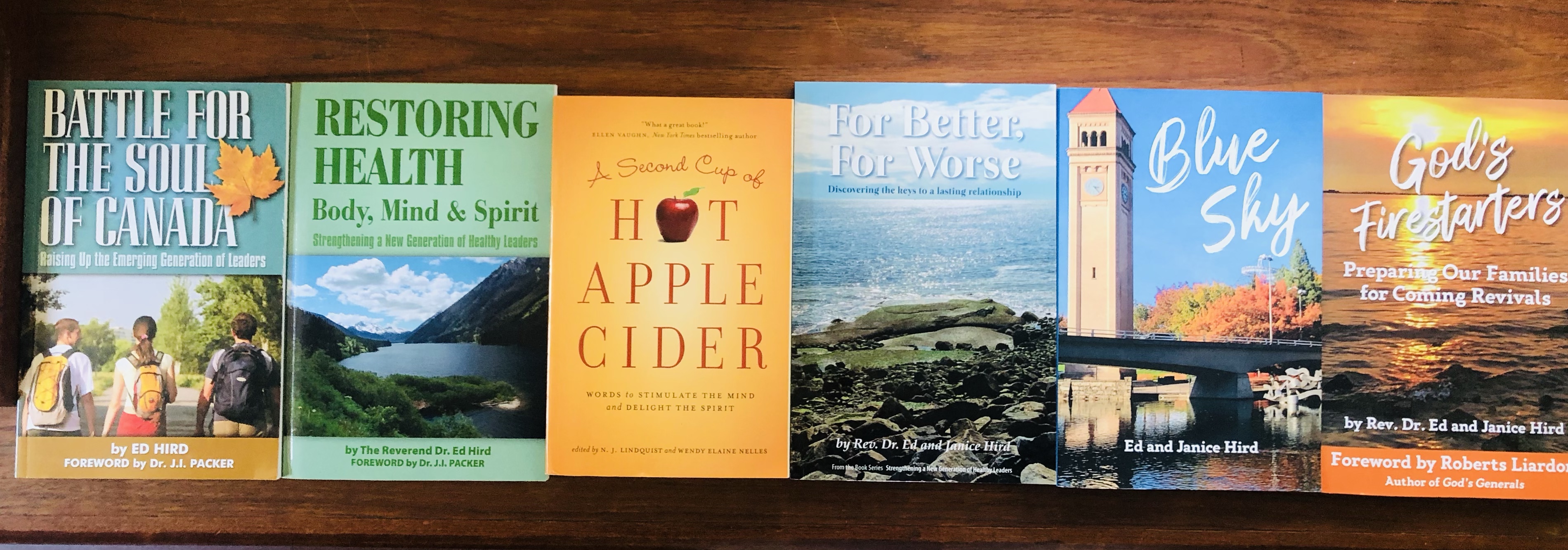
To purchase any of our six books in paperback or ebook on Amazon, just click on this link.
Pour acheter l'un de nos six livres en livre de poche ou en ebook sur Amazon, cliquez simplement sur ce lien.
I share my late father’s fascination with history. My father loved to read, research, and learn. ‘Like Father, like Son’ is true in so many unexpected ways. Like my father, I want to keep learning and growing until I leave this planet earth. I believe that we either grow or shrink. You can’t remain static.
Like my dad, I have become involved in the area of writing and journalism. My father was a writer and then the editor of the Telecom Advisor for over 15 years. From 1988 to 2018, I was privileged over the past 30 years to write over 360 articles for the Deep Cove Crier, and for ten years (2,000 to 2,010) co-ordinated the ‘Spiritually Speaking’ column for the North Shore News.
It is wonderful to have a father who has modelled helpful skills. Whether it was helping my father to cut wood with his skillsaw or to cut the grass, my dad always was a coach, a mentor, and an equipper who loves to help me discover new abilities. If my dad was excited about a new book or a new movie, he eagerly shared his enthusiasm and invited our participation. I also find myself being that way with my own three sons!
One of my father’s trademarks was that whenever the family gathered for holidays or birthdays, out came his video camera! In the early days, video cameras required painfully bright backdrop lights. We would all groan when the bright lights came out, but later be thrilled by the immortalized visual memories.
My family and my father are wonderful gifts that I appreciate more and more as I become older. Family for me is inextricably connected with thousands of unforgettable and often hilarious memories. It is also connected with times of great sorrow and loss, great joy and celebration. Family is birthdays, weddings, funerals, baptisms, anniversaries, graduations, Christmas, Easter, Mother’s Day, and yes, Father’s Day. My life would be much less rich without the gift of my family and my father.
One of my father’s most memorable projects was his family memoirs. The term ‘memoir’ comes from the French ‘memoire’ for memory. We as Canadians are a nation that often suffers from cultural and spiritual amnesia. We so quickly forget the wonderful stories of our pioneering ancestors who helped make Canada what it is today. My dad often commented how he wished that he had listened more closely as a teenager when his now deceased aunts and uncles would talk about family history.
Just like the famous Afro-American ‘Roots’ Book & TV –mini-series, my father’s memoirs are helping me understand better who I am and where I have come from. My Dad, as an electrical engineer, loved anything to do with computers and telecommunications.
Through the use of a scanner and PhotoShop, my Dad incorporated in his memoirs over a hundred pictures that capture the essence of our family life.
So much family history functions as oral tradition that can easily be lost or muddled within one generation. Much of Canada’s rich Christian heritage is being lost precisely that way. Psalm 102 says: ‘Let this be written for a future generation…’. By my father’s writing down his memoirs, I will be able to pass this gift of history onto my children and future grandchildren. They too will be able to learn the exploits of their grandfather being raised in a coal-mining town outside of Edmonton, helping his blacksmith father shoe horses, serving as an Air Force WWII wireless radio mechanic in the Queen Charlotte Islands, becoming an electrical Engineer at UBC, becoming President of Lenkurt Electric, before becoming a hi-tech communications consultant. The inspiring thing about my father was that he has always been able to ‘re-invent’ himself. When one door closed in his life, he would always find another door that would open. Like my hero Winston Churchill, my father never, never, ever gave up! He also never gave up in writing his memoirs.
The Good Book says: ‘What we have heard and known, what our fathers have told us, we will not hide them from our children; we will tell the next generation…’ (Psalm 78). My Father’s Day prayer for fathers reading this article is that each of us will have the courage to never give up, and the wisdom to transmit the cultural and spiritual gifts of our family history to the emerging generation.
The Reverend Ed Hird, BSW, MDiv, DMin
-previously published in the North Shore News/Deep Cove Crier
P. S. Click this Amazon link to view for free the first two chapters of our new novel Blue Sky.
“I’m afraid there’s been an accident…”
Sandy Brown and her family have just moved to Spokane, Washington where her husband, Scott, is pastoring a new church. With a fresh start, Sandy is determined to devote more time to her four children. But, within weeks of settling in their new life, the Brown family is plunged into turmoil.
Sandy receives shocking news that her children aren’t safe, which brings back haunting memories of the trauma she experienced as a girl. Then, the unthinkable happens…
A brutal attack puts Sandy on the brink of losing everything she’s loved. Her faith in God and the family she cherishes are pushed to the ultimate limit.
Is healing possible when so many loved ones are hurt? Are miracles really possible through the power of prayer? Can life return to the way it was before?
Blue Sky reveals how a mother’s most basic instinct isn’t for survival… but for family.
If you’re a fan of Karen Kingsbury, then you’ll love Blue Sky. Get your copy today on paperback or kindle.
-The sequel book Restoring Health: body, mind and spirit is available online with Amazon.com in both paperback and ebook form. Dr. JI Packer wrote the foreword, saying “I heartily commend what he has written.” The book focuses on strengthening a new generation of healthy leaders. Drawing on examples from Titus’ healthy leadership in the pirate island of Crete, it shows how we can embrace a holistically healthy life.
To receive a signed copy within North America, just etransfer at ed_hird@telus.net, giving your address. Cheques are also acceptable.
-Click to purchase the Companion Bible Study by Jan Cox (for the Battle of the Soul of Canada) in both paperback and Kindle on Amazon.com and Amazon.ca
-Click to purchase the Companion Bible Study by Jan Cox (for the Battle of the Soul of Canada) in both paperback and Kindle on Amazon.com and Amazon.ca
To purchase any of our six books in paperback or ebook on Amazon, just click on this link.
As New York and Washington reeled in 2001 from 9/11, the Red Cross flew into action, saving lives and bringing hope. Thank God for the Red Cross who time and again make a difference in times of great tragedy.
Great organizations invariably are birthed from great people. The Red Cross was birthed from the vision and drive of Jean Henri Dunant, who received the world’s first Nobel Peace Prize. Dunant was a Swiss businessman who ‘happened’ to be on hand to see the carnage and horror of the battle of Solferino, Italy, in 1858. Forty thousand wounded lay in their death throes under a blazing sun, in suffocating heat, helpless and unattended. Amid the anguished cries of the wounded, in an atmosphere of panic and confusion, he gathered together a team of volunteers to relieve the ‘inexpressible sufferings’ of war.
Four days after the battle, Dunant discovered five hundred wounded who had been overlooked. Dunant commented: “I succeeded in getting together a certain number of women who helped me as best as they could to aid the wounded…Food, and above all drink, had to be taken around to these men. Then their wounds could be dressed and their bleeding, muddy, vermin-covered bodies washed. All this took place in a scorching, filthy atmosphere, in the midst of vile, nauseating odors, with lamentations and cries of anguish all around!” From this courageous action by Dunant at Solferino, the International Red Cross was born.
Dunant returned to Geneva but was so preoccupied with what he has seen at Solferino that he wrote a book at his own expense in 1862 entitled ‘ A Memory of Solferino’. He wrote at length about the wounds and suffering he had seen and the shambles in which urgently necessary surgery was done. “Would it not be possible”, he pleaded, “in time of peace and quiet to form relief societies for the purpose of having care given to the wounded in wartime by zealous, devoted and thoroughly qualified volunteers?”
On August 22nd 1864, through the impetus of Dunant’s book, the historic First Geneva Convention was birthed. It provided for the alleviation of the sufferings of soldiers wounded on the battlefield. It gave neutral status to the military hospitals and medical personnel of the armies of the signing countries. As an identifying symbol, the Geneva Convention decided that these non-combatants should wear a red cross on a white field, a reversal of the colours in the Swiss national flag. In 1865 Great Britain and Canada added their names to the first ten European countries who signed the Geneva Convention treaty.
Tragically, Jean Henri Dunant subsequently suffered from business failure and deep depression. Resigning from the Red Cross in 1867, he virtually disappeared from sight. In 1895, Dunant was discovered in Heiden, Switzerland by a newspaper reporter. By then the Red Cross had become famous, and financial assistance to assist Dunant began to pour in from all around the world. In 1901 Dunant shared with Frederick Passy, a French internationalist, the first Nobel Peace Prize. From Geneva, his old home, came this message from the International Committee of the Red Cross: “There is no man who more deserves this honour, for it was you, forty years ago, who set on foot the international organization for the relief of the wounded on the battlefield. Without you, the Red Cross, the supreme humanitarian achievement of the nineteenth century would probably have never been undertaken.” Dunant gave all of the Nobel Peace Prize money away to charity, and died peacefully in his sleep on October 30th 1910.
Few people realize that Jean Henri Dunant also helped co-found the International Young Men’s Christian Association (YMCA). Dunant started very humbly by inviting a few friends to meet regularly at his house to study the Bible, to encourage each other in good works, and to bring about a spiritual awakening among young people.
Jean Henri Dunant proved that one person can make a difference. One person can change this world. Jean Henri Dunant knew Jesus Christ as his Bridge over Troubled Water. My prayer during this time of great uncertainty is that many of us may turn to the Bridge who will give us the strength to care for our neighbours for better for worse, in sickness and in health, for richer for poor.
The Rev. Dr. Ed Hird, BSW, MDiv, DMin
-previously published in the North Shore News/Deep Cove Crier
P. S. Click this Amazon link to view for free the first two chapters of our new novel Blue Sky.
“I’m afraid there’s been an accident…”
Sandy Brown and her family have just moved to Spokane, Washington where her husband, Scott, is pastoring a new church. With a fresh start, Sandy is determined to devote more time to her four children. But, within weeks of settling in their new life, the Brown family is plunged into turmoil.
Sandy receives shocking news that her children aren’t safe, which brings back haunting memories of the trauma she experienced as a girl. Then, the unthinkable happens…
A brutal attack puts Sandy on the brink of losing everything she’s loved. Her faith in God and the family she cherishes are pushed to the ultimate limit.
Is healing possible when so many loved ones are hurt? Are miracles really possible through the power of prayer? Can life return to the way it was before?
Blue Sky reveals how a mother’s most basic instinct isn’t for survival… but for family.
If you’re a fan of Karen Kingsbury, then you’ll love Blue Sky. Get your copy today on paperback or kindle.
-The sequel book Restoring Health: body, mind and spirit is available online with Amazon.com in both paperback and ebook form. Dr. JI Packer wrote the foreword, saying “I heartily commend what he has written.” The book focuses on strengthening a new generation of healthy leaders. Drawing on examples from Titus’ healthy leadership in the pirate island of Crete, it shows how we can embrace a holistically healthy life.
To receive a signed copy within North America, just etransfer at ed_hird@telus.net, giving your address. Cheques are also acceptable.
-Click to purchase the Companion Bible Study by Jan Cox (for the Battle of the Soul of Canada) in both paperback and Kindle on Amazon.com and Amazon.ca
-Click to purchase the Companion Bible Study by Jan Cox (for the Battle of the Soul of Canada) in both paperback and Kindle on Amazon.com and Amazon.ca
To purchase any of our six books in paperback or ebook on Amazon, just click on this link.
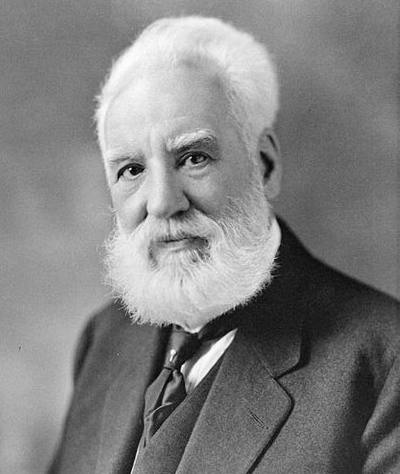
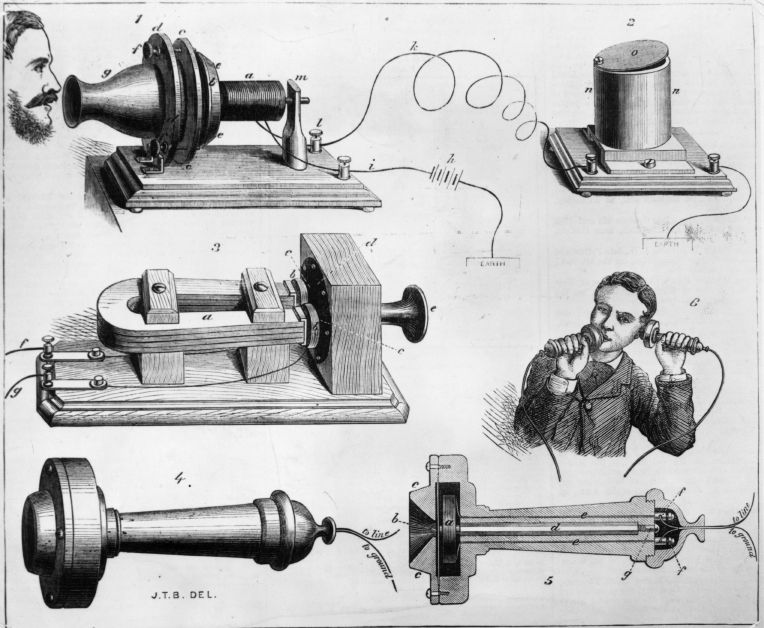
Like many Canadians, Alexander Graham Bell moved to the United States to get his big break, but always longed to return to the beauty and peace of Canada. Both Alexander’s mom and wife had serious hearing impairments, a challenge that directly aided Alexander in his development of the first workable telephone. It was while Alexander served as a teacher of the hearing-impaired that he began to really understand the fundamental principles of communication and speech.
One of Bell’s most famous pupils was Helen Keller who came to him as a child unable to see, hear or speak. Helen Keller later said of Bell that he dedicated his life to the penetration of that ‘inhuman silence that separates and estranges.’ Dedicating her autobiography to Bell, she said: ‘You have always shown a father’s joy in my success and a father’s tenderness when things have not gone right.’
Like many millions of Canadians, Alexander Graham Bell was not born in Canada. Rather his family fled to Canada after the tuberculosis deaths of their two other sons in Edinburgh, Scotland. They naively believed that the pure air of Canada would save the life of Alexander who was also afflicted with tuberculosis. While Alexander did live until age 75, he was never that well and often suffered from severe headaches. But Alexander never let his problems hold him back from being creative.
Alexander had a pioneering mind and great vision. He defined an inventor as someone “who looks around upon the world and is not contented with things as they are. He wants to improve whatever he sees; he wants to benefit the world; he is haunted by an idea.” “We should not keep going forever”, said Alexander, “on the public road, going only where others have gone. We should leave the beaten track occasionally and enter the woods. Every time you do that, you will be certain to find something that you have never seen before.”
While Alexander became famous from his invention of the first workable telephone, his inventive genius reached much farther. He was the first in North America to show how x-rays could be used to treat cancers inside the body. He invented a probe that discovered where bullets were lodged inside people.
Through creative experimenting with kites, he built the first successful airplane in the British Empire. His Canadian airplane flew almost a kilometre at 64 kilometres per hour on February 23rd, 1909 at Beinn Bhreagh, Cape Breton. Alexander’s hydrofoil built in 1915 reached speeds of 70 mph (112 kph).
After the death of his son from weak lungs, Alexander invented the first respirator. To assist shipwrecked sailors, he created a machine that turned the moisture in air into drinking water. His endless inventions also included the first practical phonograph, the first flat-disk record, an iceberg-locating device, a water purifier that removed salt from seawater, an air conditioner, and an audiometer to test people’s hearing.
But it was Bell’s invention of the telephone that caused the greatest controversy. Some wrote Bell off as a mad scientist who was challenging the laws of nature. Others tried to argue that telephones were somehow of the devil and against the bible. There were widespread fears that telephones would spread disease and even insanity over the telephone wires. During an 18-year period, Bell faced and won over 600 lawsuits challenging his telephone patent.
The first business use of the telephone began in 1877. By 1888, there were over 150,000 users in North America. The cost of having a phone installed in 1888 was $10, the equivalent of a whole year’s wage for a servant. As of 2010, there are literally hundred of millions who might find it hard to imagine life without a phone.
When Bell’s body was buried in 1922 on top of a Cape Breton Island mountain, every telephone in North America observed a minute’s silence. Thomas Edison, a rival and friend, said at that time: ‘My late friend Alexander Graham Bell, whose world-famed invention annihilated time and space, and brought the human family in closer touch.’
The word ‘telephone’ means ‘sound over a long distance’. Bell brought good news to many through a physical device. May God use each of us as pioneers to bring the sound of good news throughout the world.
The Rev. Dr. Ed Hird, BSW, MDiv, DMin
-previously published in the North Shore News/Deep Cove Crier
P. S. Click this Amazon link to view for free the first two chapters of our new novel Blue Sky.
“I’m afraid there’s been an accident…”
Sandy Brown and her family have just moved to Spokane, Washington where her husband, Scott, is pastoring a new church. With a fresh start, Sandy is determined to devote more time to her four children. But, within weeks of settling in their new life, the Brown family is plunged into turmoil.
Sandy receives shocking news that her children aren’t safe, which brings back haunting memories of the trauma she experienced as a girl. Then, the unthinkable happens…
A brutal attack puts Sandy on the brink of losing everything she’s loved. Her faith in God and the family she cherishes are pushed to the ultimate limit.
Is healing possible when so many loved ones are hurt? Are miracles really possible through the power of prayer? Can life return to the way it was before?
Blue Sky reveals how a mother’s most basic instinct isn’t for survival… but for family.
If you’re a fan of Karen Kingsbury, then you’ll love Blue Sky. Get your copy today on paperback or kindle.
-The sequel book Restoring Health: body, mind and spirit is available online with Amazon.com in both paperback and ebook form. Dr. JI Packer wrote the foreword, saying “I heartily commend what he has written.” The book focuses on strengthening a new generation of healthy leaders. Drawing on examples from Titus’ healthy leadership in the pirate island of Crete, it shows how we can embrace a holistically healthy life.
To receive a signed copy within North America, just etransfer at ed_hird@telus.net, giving your address. Cheques are also acceptable.
-Click to purchase the Companion Bible Study by Jan Cox (for the Battle of the Soul of Canada) in both paperback and Kindle on Amazon.com and Amazon.ca
-Click to purchase the Companion Bible Study by Jan Cox (for the Battle of the Soul of Canada) in both paperback and Kindle on Amazon.com and Amazon.ca
To purchase any of our six books in paperback or ebook on Amazon, just click on this link.
A number of years ago, my middle son Mark graduated from Simon Fraser University in Chemistry. SFU was named in 1963 by Leslie Peterson, the Provincial Minister of Education, because SFU overlooks the very river where Simon Fraser made his historic journey to the Pacific Coast.
My earliest memory of SFU was walking through the beautiful new plazas in the 1960’s, and then hearing about the student protests that paralyzed the university. One of the most puzzling demands of the students was that SFU be renamed Louie Riel University. What is it about Simon Fraser the Explorer that seems to both repel and attract people? Why is it that he is the least well known of all Canadian explorers?
The Greater Vancouver Book holds that Simon Fraser could be called the founding father of British Columbia because he built the first colonial trading posts west of the Rockies. Fraser, however, is best known for his bold exploration of the great river which bears his name. On the Canadian Peace Tower in Ottawa is the verse “He shall have dominion from sea to sea” (Psalm 72:8) By Simon Fraser’s heroic journey to the Pacific Coast, he made it possible for the Dominion of Canada to stretch from sea to sea. Fraser’s was the third expedition to span the continent of North America: after Alexander Mackenzie and Lewis & Clarke. Simon Fraser felt like a total failure when he reached the Pacific Coast. Yet his remarkable quest kept Canada from remaining land-locked at the Alberta border. Simon Fraser was one of the most successful failures that Canada has ever known.
Descended from a well-known Scottish Highland family, the Lovat Frasers, Simon ‘Jr.’ was the youngest son of Simon Fraser of Culbokie and Isabel Grant of Duldreggan. In September 1773 the family joined a celebrated migration of Highlanders who travelled to America on the SS Pearl to seek their fortunes in the New World. In 1775, the year before the birth of their ninth child Simon, the first shots in the American Revolution were fired. Simon’s Pro-British father was captured at the Battle of Bennington. Every time he and his older son refused to join the rebels, his wife was fined another farm animal. Simon Sr. died thirteen months later from harsh treatment as a prisoner in the Albany jail. Mrs. Fraser fled as a United Empire Loyalist with her family to Canada in 1784.
When Simon turned 16, his Uncle John Fraser, a Montreal judge found him a seven-year clerical apprenticeship with the famous North West Company of Montreal. In 1793 Simon was sent to the Athabascan wilderness to learn his trade at the secluded Peace River posts. By 1802 he was selected as one of the company’s youngest partners.
In 1805 Simon was chosen for the important role of expanding the company’s trade to the land west of the Rocky Mountains from 1805-1808. His mandate from the North West Company was to cross the Rockies and establish trading relations with the Indigenous people in the interior of what is now British Columbia, but which Fraser named New Caledonia. According to family tradition, Fraser selected the name New Caledonia because the country reminded him of his mother’s description of Caledonia, the ancient Roman name for the Scottish Highlands. Between 1805 and 1807 Fraser set up the first four forts west of the Rockies at McLeod, Stuart and Fraser Lakes and Fort George, making himself the pioneer of permanent settlement, in what is now the mainland of BC.
What mattered now above all else to the Nor’Westers was the search for a route to the Pacific that would reduce the enormous cost of the long canoe-haul from Montreal. Only then would they be able to survive the competition from the Hudson’s Bay Company with its monopoly on all shipping to England via the Hudson’s Bay area.
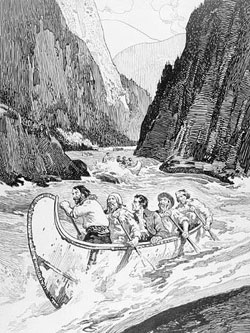
On May 22, 1808, Fraser left Fort George (Modern-day Prince George) with two clerks, John Stuart and Jules Quesnel, 19 voyageurs and two Indian guides. Simon Fraser named his lead canoe, Perseverance, which was also the motto of the North West Company and one of the greatest strengths of the Scottish people. Fittingly, Fraser wrote at the worst of his Fraser River journey: “Our situation is critical and highly unpleasant; however we shall endeavour to make the best of it; what cannot be cured, must be endured.” As he explored one of the world’s most difficult and dangerous rivers, Fraser showed remarkable courage, stamina, and firmness tempered with restraint. In the midst of enormous strain, he never lost his temper nor acted unfairly.
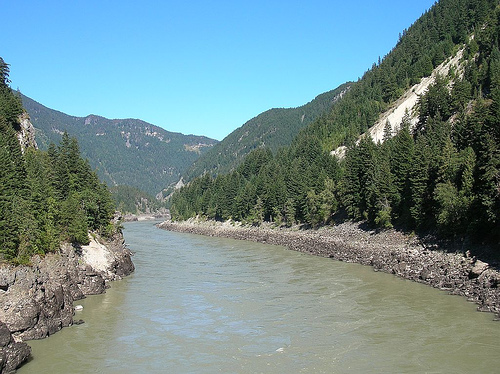
Simon Fraser travelled during the springtime flood, the most dangerous time of the year on the Fraser. After surviving numerous near-drownings and upset canoes, Fraser was at last persuaded that it was impossible to make the entire journey by water. ‘Our situation was really dangerous’, Fraser wrote on June 5th, ‘being constantly between steep and high banks where there was no possibility of stopping the canoe.’ At the Black Canyon, they were forced to follow native guides as they climbed jagged cliffs using intricate scaffolds, bridges and ladders hundreds of feet above the raging water. One missed step would be their last. Simon Fraser commented in his journal: “I have been for a long period among the Rocky Mountains, but have never seen anything to equal this country, for I cannot find words to describe our situation at times. We had to pass where no human beings should venture.” Every bend threatened new dangers –perilous rapids, treacherous portages, and impassible whirlpools.
Despite incurring a serious groin injury, Fraser completed the journey in 36 days (May 28th-July 2nd) and made the return trip in one day less (July 3rd to August 6th). He and his voyageurs had travelled more than a 1,000 miles of uncharted territory on the largest salmon-spawning river in the world.
Sadly this greatest adventure of his life won him little fame and less reward, for the Fraser River was useless as a canoe Highway for fur traders. Even worse, this river which Fraser so successfully navigated turned out not to be the prized Columbia, but rather an unknown river which fellow Nor’wester David Thompson would later name the Fraser River. Before Fraser died in poverty and obscurity in 1862, he learned of the BC Gold rush with hundreds of prospectors rushing up the Fraser River, past the Fraser Valley, and through the Fraser Canyon.
Over two hundred years later, I give thanks to God for the perseverance of Simon Fraser who ‘ran with perseverance the race marked out for him’. (Hebrews 12:1) May Jesus strengthen us this day to never, ever, ever give up in our journeys of life.
-previously published in the North Shore News/Deep Cove Crier
P. S. Click this Amazon link to view for free the first two chapters of our new novel Blue Sky.
“I’m afraid there’s been an accident…”
Sandy Brown and her family have just moved to Spokane, Washington where her husband, Scott, is pastoring a new church. With a fresh start, Sandy is determined to devote more time to her four children. But, within weeks of settling in their new life, the Brown family is plunged into turmoil.
Sandy receives shocking news that her children aren’t safe, which brings back haunting memories of the trauma she experienced as a girl. Then, the unthinkable happens…
A brutal attack puts Sandy on the brink of losing everything she’s loved. Her faith in God and the family she cherishes are pushed to the ultimate limit.
Is healing possible when so many loved ones are hurt? Are miracles really possible through the power of prayer? Can life return to the way it was before?
Blue Sky reveals how a mother’s most basic instinct isn’t for survival… but for family.
If you’re a fan of Karen Kingsbury, then you’ll love Blue Sky. Get your copy today on paperback or kindle.
-The sequel book Restoring Health: body, mind and spirit is available online with Amazon.com in both paperback and ebook form. Dr. JI Packer wrote the foreword, saying “I heartily commend what he has written.” The book focuses on strengthening a new generation of healthy leaders. Drawing on examples from Titus’ healthy leadership in the pirate island of Crete, it shows how we can embrace a holistically healthy life.
To receive a signed copy within North America, just etransfer at ed_hird@telus.net, giving your address. Cheques are also acceptable.
-Click to purchase the Companion Bible Study by Jan Cox (for the Battle of the Soul of Canada) in both paperback and Kindle on Amazon.com and Amazon.ca
-Click to purchase the Companion Bible Study by Jan Cox (for the Battle of the Soul of Canada) in both paperback and Kindle on Amazon.com and Amazon.ca
To purchase any of our six books in paperback or ebook on Amazon, just click on this link.
Sometimes I ask myself: Why is English now spoken by hundreds of millions of people in virtually every country of the world? Why do most people of English ancestry live anywhere but England? Australia, New Zealand, USA, Canada, South Africa, etc. Perhaps it is because as seagoing islanders, the British were insatiable searchers for that which was beyond. From the ranks of such inexhaustible seekers emerged the greatest of the 18th century nautical explorers –Captain James Cook. James Cook had an unbounded curiosity and a deep interest in everybody and everything with which he came into contact.
Born on October 27th, 1728 in Yorkshire, Cook’s father was an impoverished Scottish farm labourer and his mother a simple Yorkshire village woman. Cook began his sea life by lugging coal off the treacherous east coast of England. There he learned how to survive the storms, fogs, hidden shoals, and tricky tides.
In 1758, Cook was master of the Pembroke, a 1,250 ton, 64-gun man-of-war. In early 1759, the Pembroke joined a blockade of the Saint Lawrence River designed to prevent French ships from carrying supplies to the fortress colony of Quebec. Cook led patrols up and down the river, charting every hazard, and marking a channel for the warships to follow. During the British assault on Quebec City, Cook successfully navigated the massive Pembroke up the narrow, twisting, and frequently shallow waterway. Without the help of Ship’s Master James Cook, it is doubtful whether the British troops could have taken the fortress by surprise. With only a few years of elementary school education, no one ever expected that a ‘nobody’ like James Cook would one day be chosen as a navy sea captain. Since the upper class were virtually the only officers, there was little chance of promotion by merit in that caste-bound naval world. By sure grit and determination, he taught himself mathematics and astronomy, and at age 40, was chosen as captain, an age when most naval officers had passed their peak.
After being appointed captain, Cook went on to complete three global voyages from 1768 to 1779, exploring and accurately mapping more of the earth’s surface than anyone else before or since. He became the first European to set foot in Australia, the first to fix the position of remote places accurately, the first to establish longitude (one’s position east and west), and the first to have extensive contact with all the various peoples of the Pacific.
It can safely be said that in his time no man knew the world as well as Captain Cook, and no other explorer had such an impact on the global map. As a result, the name of James Cook is commemorated across the length and breadth of the vast Pacific: Cook Strait and Mount Cook in New Zealand; Cooktown and Cook’s Passage in Australia; The Cook Islands in Polynesia, and Cook Inlet in Alaska. With Cook’s discoveries and surveys, the geography of the world was nearly complete. Only Antarctica remained to be discovered.
Upon reaching Hawaii, the islanders worshipped Captain Cook as the god Lono. Curiously, Lono was envisioned as a white god fated to arrive on a magical floating island during the holiday of Mahahiki. Cook’s ships’ huge sails therefore were construed to be long staffs bearing Lono’s divine white banners. When Cook returned to Hawaii from having explored British Columbia, he upset the Hawaiians who had then turned to the season for worshipping the god of war Ku. Things went from bad to worse, and when Cook attempted to hold the king hostage for the return of a stolen cutter, hundreds of Hawaiians converged on him with deadly effect. To many of his crew such as the future Captain George Vancouver, losing Captain Cook was like losing their own father.
Captain James Cook as a World Explorer was not afraid to check out uncharted waters. My prayer for those reading this article is that we too as world explorers may be willing to ‘walk in the spiritual feet’ of Captain James Cook.
-previously published in the North Shore News/Deep Cove Crier
P. S. Click this Amazon link to view for free the first two chapters of our new novel Blue Sky.
“I’m afraid there’s been an accident…”
Sandy Brown and her family have just moved to Spokane, Washington where her husband, Scott, is pastoring a new church. With a fresh start, Sandy is determined to devote more time to her four children. But, within weeks of settling in their new life, the Brown family is plunged into turmoil.
Sandy receives shocking news that her children aren’t safe, which brings back haunting memories of the trauma she experienced as a girl. Then, the unthinkable happens…
A brutal attack puts Sandy on the brink of losing everything she’s loved. Her faith in God and the family she cherishes are pushed to the ultimate limit.
Is healing possible when so many loved ones are hurt? Are miracles really possible through the power of prayer? Can life return to the way it was before?
Blue Sky reveals how a mother’s most basic instinct isn’t for survival… but for family.
If you’re a fan of Karen Kingsbury, then you’ll love Blue Sky. Get your copy today on paperback or kindle.
-The sequel book Restoring Health: body, mind and spirit is available online with Amazon.com in both paperback and ebook form. Dr. JI Packer wrote the foreword, saying “I heartily commend what he has written.” The book focuses on strengthening a new generation of healthy leaders. Drawing on examples from Titus’ healthy leadership in the pirate island of Crete, it shows how we can embrace a holistically healthy life.
To receive a signed copy within North America, just etransfer at ed_hird@telus.net, giving your address. Cheques are also acceptable.
-Click to purchase the Companion Bible Study by Jan Cox (for the Battle of the Soul of Canada) in both paperback and Kindle on Amazon.com and Amazon.ca
-Click to purchase the Companion Bible Study by Jan Cox (for the Battle of the Soul of Canada) in both paperback and Kindle on Amazon.com and Amazon.ca
To purchase any of our six books in paperback or ebook on Amazon, just click on this link.
North Vancouver District…North Vancouver City…West Vancouver… Vancouver City…Vancouver, Washington….How did so many local cities get a Dutch name like Vancouver?
The name goes back to when the Canadian Pacific Railway came to Port Moody in 1886, and then to Vancouver in 1887. Vancouver was first called Gastown, before being changed to Granville after Lord Granville for his part in birthing the Canadian Confederation. Some key ‘movers-and-shakers’ wanted to name Vancouver ‘The City of Liverpool’. The ‘Railway General’, William Van Horne, then vice-president of the CPR, felt that this newly incorporated city deserved a famous name to go with its famous future. “This is destined”, said Van Horne, ” to become a great city, perhaps the greatest city in Canada. We must see to it that it has a name commensurate with its dignity and importance, and Vancouver it shall be, if I have the ultimate decision.”
Since William Van Horne had been the driving force behind CPR’s rapid completion of the CPR line through the Prairies and onto Port Moody; he was listened to most carefully. Sir William Van Horne went on to become the President of the CPR in 1888; before being knighted in 1894. Both the Vancouver, Washington citizens and the Vancouver Island residents were upset that Van Horne had stolen their name given to them by Captain George Vancouver himself. Fort Vancouver, Washington was established in 1824 as the first British Settlement on the West Coast. The Victoria merchants were so upset by this ‘theft’ that they organized a boycott of all Eastern Canada companies who did business with Van Horne’s Vancouver.
Robert Beaven of Victoria complained how wrong it was that Van Horne, being an American citizen, could take so much control after only two years in Vancouver. It is highly ironic that the CPR coast-to-coast railway, which kept BC from joining the USA, was to a very large extent managed and built by Americans. Pierre Burton notes how upset some people were that Van Horne hired more Americans than Canadians to accomplish this nationalist task of uniting Canada by rail.
Why did Van Horne choose Vancouver?? Perhaps part of Van Horne’s attraction to Captain George Vancouver is that they were both of Dutch ancestors, and that both as orphans had ‘made good’ despite enormous obstacles. Vancouver’s paternal family had once been the van Coevordens in the Province of Drenkte, Holland.
Captain Vancouver led one of the greatest expeditions ever undertaken. His mandate came from a sudden threat of war with Spain. British ships had been seized, the flag had been insulted, rights of British subjects had been violated, all in that distant port of Nootka on what came to be called Vancouver Island. Captain Vancouver was sent to receive Nootka back from the Spanish, and to map the Pacific Coast. He and his men, squeezed into two ninety-nine foot sloops, covered 65,000 miles in only four years. Vancouver had meticulously mapped the continental shore line from latitude 56 degrees north, in southeastern Alaska, to his assigned southern limit. He proved once and for all that there was no mythical Northwest Passage. It was a remarkable accomplishment, a tribute to Vancouver’s perseverance, drive, and energy. Without Vancouver’s monumental work, it is conceivable that the northern boundary of Oregon might have been fixed at latitude 54/40 North and Canada today would have no Pacific shores.
Vancouver learnt well from his mentor Captain Cook in the methods of warding off the dreaded illness called scurvy. The seamen detested and grumbled at the strange dishes he made sure were included in their daily diet. They only wanted salt pork, beef, and dried peas –their usual fare. However, Vancouver provided them with extras in the form of pickled cabbage, malt, a peculiar-tasting beer, lime-juice, and something officially described as carrot marmalade. They either ate their foods or were given the lash. British sailors got the nickname ‘limey’ from this ‘peculiar’ practice of daily lime-juice. Vancouver’s ‘limeys’ stayed alive and healthy when, in almost any other vessel afloat, perhaps half of them would be dead inside two years at sea.
Along the way to Vancouver Island, Captain Vancouver learnt many native languages with ease. At one point, he used this skill to do successful marriage counseling that reconciled the King and Queen of Hawaii. In a remarkably contemporary tone, King Tamaahmaah denied his wife’s accusations of adultery, pleading, however, ‘that his high rank and supreme authority was a sort of license for such indulgences.’ The Hawaiian King was so grateful for Vancouver’s marital and political advice that he ceded all of the Hawaiian Islands over to the British Crown. Shortsightedly the British government didn’t want another obscure little colony, and so refused the offer. Just think…if we’d played our cards right, Hawaii could have become the 11th province of Canada!
Captain Vancouver inscribed the names of every officer he had ever respected up and down the coast. : All in all, Vancouver discovered and named more than two hundred places. As a young child, I remembered my mother commenting rapturously about Mt. Baker. I had no idea that Mom was invoking the memory of Vancouver’s third lieutenant. Burrard Inlet was named by Vancouver for an old shipmate of Europa and Expedition days in the Caribbean, Sir Harry Burrard of the navy. Point Grey was named as a compliment to Vancouver’s friend Captain George Grey.
Many BCers don’t realize that the Spanish once ‘owned’ the BC Coast. In honour of his cordial relations with the Captain Quadra who relinquished the Spanish claim to BC, Captain Vancouver gave to Vancouver Island the full name of ‘Quadra & Vancouver Island’.
Four years at sea began to wear down Vancouver’s spirit. Near the end, he commented: “I am once more entrapped in this infernal Ocean, and am totally at a loss to say when I shall be able to quit it.” To his brother Van, he wrote complaining about ‘these remote and uncouth regions’. He never heard one word from his superiors in all of the four years. After his heroic journey around the world, Vancouver received little acclaim and less money. The admiralty took four years to pay the wages they owed Vancouver; the small amount they allowed barely covered his debts. With the horrific Napoleonic wars breaking out, no one had the time to worry about some obscure little settlements on the Northwest coast of what Queen Victoria eventually named as British Columbia.
Vancouver died broken-hearted and rejected at age 40. His tombstone in Petersham was only a plain common grave that was soon forgotten about. Years later, it is well-tended and is remembered annually by the people of British Columbia, who helped rebuild St. Peter’s Church after the Second World War. On this 212th Anniversary of Vancouver’s death, may we each choose to be courageous on our journeys of life. May Jesus the Captain of our souls keep our sails aloft and trimmed.
-previously published in the North Shore News/Deep Cove Crier
P. S. Click this Amazon link to view for free the first two chapters of our new novel Blue Sky.
“I’m afraid there’s been an accident…”
Sandy Brown and her family have just moved to Spokane, Washington where her husband, Scott, is pastoring a new church. With a fresh start, Sandy is determined to devote more time to her four children. But, within weeks of settling in their new life, the Brown family is plunged into turmoil.
Sandy receives shocking news that her children aren’t safe, which brings back haunting memories of the trauma she experienced as a girl. Then, the unthinkable happens…
A brutal attack puts Sandy on the brink of losing everything she’s loved. Her faith in God and the family she cherishes are pushed to the ultimate limit.
Is healing possible when so many loved ones are hurt? Are miracles really possible through the power of prayer? Can life return to the way it was before?
Blue Sky reveals how a mother’s most basic instinct isn’t for survival… but for family.
If you’re a fan of Karen Kingsbury, then you’ll love Blue Sky. Get your copy today on paperback or kindle.
-The sequel book Restoring Health: body, mind and spirit is available online with Amazon.com in both paperback and ebook form. Dr. JI Packer wrote the foreword, saying “I heartily commend what he has written.” The book focuses on strengthening a new generation of healthy leaders. Drawing on examples from Titus’ healthy leadership in the pirate island of Crete, it shows how we can embrace a holistically healthy life.
To receive a signed copy within North America, just etransfer at ed_hird@telus.net, giving your address. Cheques are also acceptable.
-Click to purchase the Companion Bible Study by Jan Cox (for the Battle of the Soul of Canada) in both paperback and Kindle on Amazon.com and Amazon.ca
-Click to purchase the Companion Bible Study by Jan Cox (for the Battle of the Soul of Canada) in both paperback and Kindle on Amazon.com and Amazon.ca
To purchase any of our six books in paperback or ebook on Amazon, just click on this link.
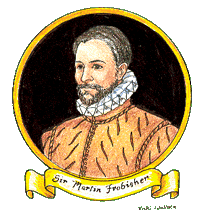
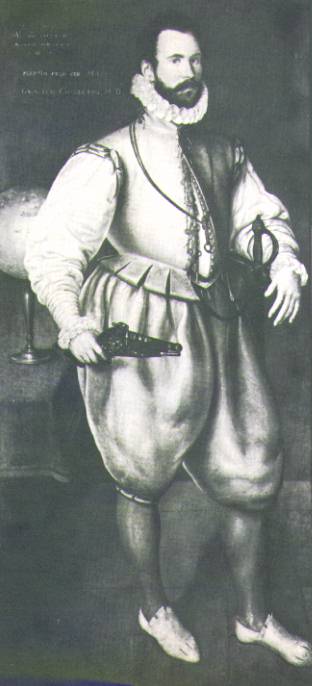
How many of us have realized that the Canadian North was first ‘discovered’ 434 years ago by an English pirate? A pirate, of course, is in the eye of the beholder. Sir Martin Frobisher was arrested at least four times for high-sea piracy, but was let go with a scolding by Queen Elizabeth I. Confiscating Spanish ships was one thing, but a good English ‘sea-dog’ was always supposed to keep his hands off English goods. Frobisher ended up spending time in jail for confiscating English wine vats that had been on a French ship. Upon release from prison, Frobisher decided to sail over the top of Canada through the mythical Northwest Passage to China. His goal was to become rich by finding an alternative route for Asian pepper. Because there was no refrigeration in those days, pepper was in high demand, being used by Europeans to make their meat palatable.
One of Frobisher’s specialties as Captain was to punish sabre-duelling crewmates by chopping off their right hands. Frobisher was also a brave leader who thought nothing of diving into iceberg-strewn waters to rescue drowning sailors. Once while on their way to Baffin Island, his ship Gabriel fell over on its side and began filling up with water. Without a moment’s hesitation, Frobisher grabbed an axe and hacked off the foresail, enabling the ship to right itself. Though a rough-and-tumbles privateer, he never went anywhere on his daring voyages without his bible. Upon returning to England with three Inuit hostages and a mysterious black rock, Frobisher kicked off Canada’s first Gold Rush. The Russian Tsar officially protested this kidnapping of Asian Siberians! Frobisher claimed that his Inuit hostages were being held to seek the release of five of his crewmembers that had disappeared. Before dying from English fog and food, the 3 Inuits thrilled the Queen by shooting royal birds and kayaking down the Avon River.
All the credible scientists told Frobisher’s financial backer, Michael Lok, that the black rock was worthless ‘fools gold’. But Michael Lok, being an early stock promoter of the less reputable kind, ignored their advice and instead consulted an Italian alchemist, Giovanni Agnello, who used ‘black magic’ to discern that Martin Frobisher’s rock was indeed gold.
The English business community, backed by Queen Elizabeth I, became so excited about the first Canadian Gold Rush, that they sent 15 Ships to Frobisher Bay on Baffin Island. The Queen even lent her own 200-ton ship AID. Gold Rush fever brought together the largest Armada of English ships ever assembled until World War II. Frobisher’s public image was rapidly transformed by his stockpromoter, Michael Lok, from that of an uncouth pirate to that of the ‘rare and valiant’ Captain General embarking on a heroic mission. Everyone, including Martin Frobisher himself, believed that he had discovered the Northwest Passage to China, and that Baffin Island contained King Solomon’s hidden mines. In this first English attempt to colonize the New World, Frobisher brought 120 would-be settlers, miners, carpenters, and an Anglican priest named Rev. Robert Wolfall.
On their way to Baffin Island, they faced desperate circumstances due to mountainous icebergs that could crush their ships like matchboxes. The hardened sailors knelt down on the decks and prayed for God’s mercy. Two of the sailors’ prayers recorded for posterity by Captain Best were ‘Lord help us now or never’ and ‘Now Lord look down from heaven and save us sinners, or else our safety will come too late’. With no radar or telecommunications to guide them in the fog, they saved the sailors on the sunken ‘Dennis’ by using trumpets, drums, canons and the two passwords: ‘Before the world was God’, to be answered by ‘After God came Christ His Son’. Captain Best recorded that Rev. Wolfall encouraged Frobisher’s men ‘to be thankful for their strange and miraculous deliverance’ at sea. To celebrate their safe arrival on Baffin Island, Rev. Wolfall celebrated the first Anglican Communion service ever held in Canada, just 420 years ago.
After three Frobisher Bay expeditions costing over 20,000 pounds, including 3,500 pounds of the Queen’s money, Martin Frobisher brought back 2,300 tons of alleged gold to England. This ‘gold rush’ treasure was promptly secured with 4 padlocks in the Tower of London and Bristol Castle. Once the geologists found out that the Baffin Island gold was fool’s gold, Frobisher and many of his investors went into bankruptcy. His financial backer, Michael Lok, was sent to jail. To cover the embarrassment of Canada’s first Bre-X-style disaster, the 2,300 tons of fools gold was dumped into the Bristol Harbour and also used to pave roads. Yet Frobisher never stayed defeated for long. Within a few years, he joined the British navy and ended up being knighted by Queen Elizabeth for defeating the Spanish Armada.
Sir Martin Frobisher’s story teaches us that all of us are on a journey, that sometimes our hopes and dreams turn out to be fools gold, but that God can even use our mistakes and turn them to a higher good. My prayer for those reading this article is that God may turn everything that is against us to our advantage.(Romans 8:28)
The Rev. Dr. Ed Hird, BSW, MDiv, DMin
-previously published in the North Shore News/Deep Cove Crier
P. S. Click this Amazon link to view for free the first two chapters of our new novel Blue Sky.
“I’m afraid there’s been an accident…”
Sandy Brown and her family have just moved to Spokane, Washington where her husband, Scott, is pastoring a new church. With a fresh start, Sandy is determined to devote more time to her four children. But, within weeks of settling in their new life, the Brown family is plunged into turmoil.
Sandy receives shocking news that her children aren’t safe, which brings back haunting memories of the trauma she experienced as a girl. Then, the unthinkable happens…
A brutal attack puts Sandy on the brink of losing everything she’s loved. Her faith in God and the family she cherishes are pushed to the ultimate limit.
Is healing possible when so many loved ones are hurt? Are miracles really possible through the power of prayer? Can life return to the way it was before?
Blue Sky reveals how a mother’s most basic instinct isn’t for survival… but for family.
If you’re a fan of Karen Kingsbury, then you’ll love Blue Sky. Get your copy today on paperback or kindle.
-The sequel book Restoring Health: body, mind and spirit is available online with Amazon.com in both paperback and ebook form. Dr. JI Packer wrote the foreword, saying “I heartily commend what he has written.” The book focuses on strengthening a new generation of healthy leaders. Drawing on examples from Titus’ healthy leadership in the pirate island of Crete, it shows how we can embrace a holistically healthy life.
To receive a signed copy within North America, just etransfer at ed_hird@telus.net, giving your address. Cheques are also acceptable.
-Click to purchase the Companion Bible Study by Jan Cox (for the Battle of the Soul of Canada) in both paperback and Kindle on Amazon.com and Amazon.ca
-Click to purchase the Companion Bible Study by Jan Cox (for the Battle of the Soul of Canada) in both paperback and Kindle on Amazon.com and Amazon.ca
To purchase any of our six books in paperback or ebook on Amazon, just click on this link.



 Tandis que beaucoup de Canadiens se rappellent vaguement de Champlain, aujourd’hui peu de personnes ont une idée de qui était l’homme derrière Champlain: Sieur de Monts. Né à Saintonge, en France en 1558, Sieur de Monts était un homme d’affaires français Huguenot à qui avait été accordé une charte exclusive du Roi Henri IV pour le commerce de fourrure dans le nouveau monde. Le Roi Henri IV chargea Sieur de Monts d’établir le nom, la puissance, et l’autorité du roi de la France; d’amener les indigènes à une connaissance de la religion chrétienne; de peupler, de cultiver, et de coloniser les dites terres; de faire de l’exploration et plus particulièrement de chercher des mines de métaux précieux. La charte de 1603 nommait Sieur de Monts comme Lieutenant Gouverneur de la Nouvelle-France, lui donnant autorité sur toute l’Amérique du Nord entre les quarantième et quarante-sixième parallèles (de Montréal à Philadelphie actuelle).
 On croit que Champlain a choisi Saint-Croix parce qu’elle partageait la même latitude que la France tempérée, supposant que le climat serait semblable. Au lieu de cela, les banquises de glace ont séparé les colons de la nourriture fraîche et de l’eau du continent. Ce premier et seul hiver sur Saint-Croix fut brutalement froid, ayant pour résultat 35 décès causes par le scorbut. Ironiquement les os de ces premiers colons français ont juste été ré enterres cette année à Saint-Croix, après avoir passé un demi-siècle à Temple University, à Philadelphie.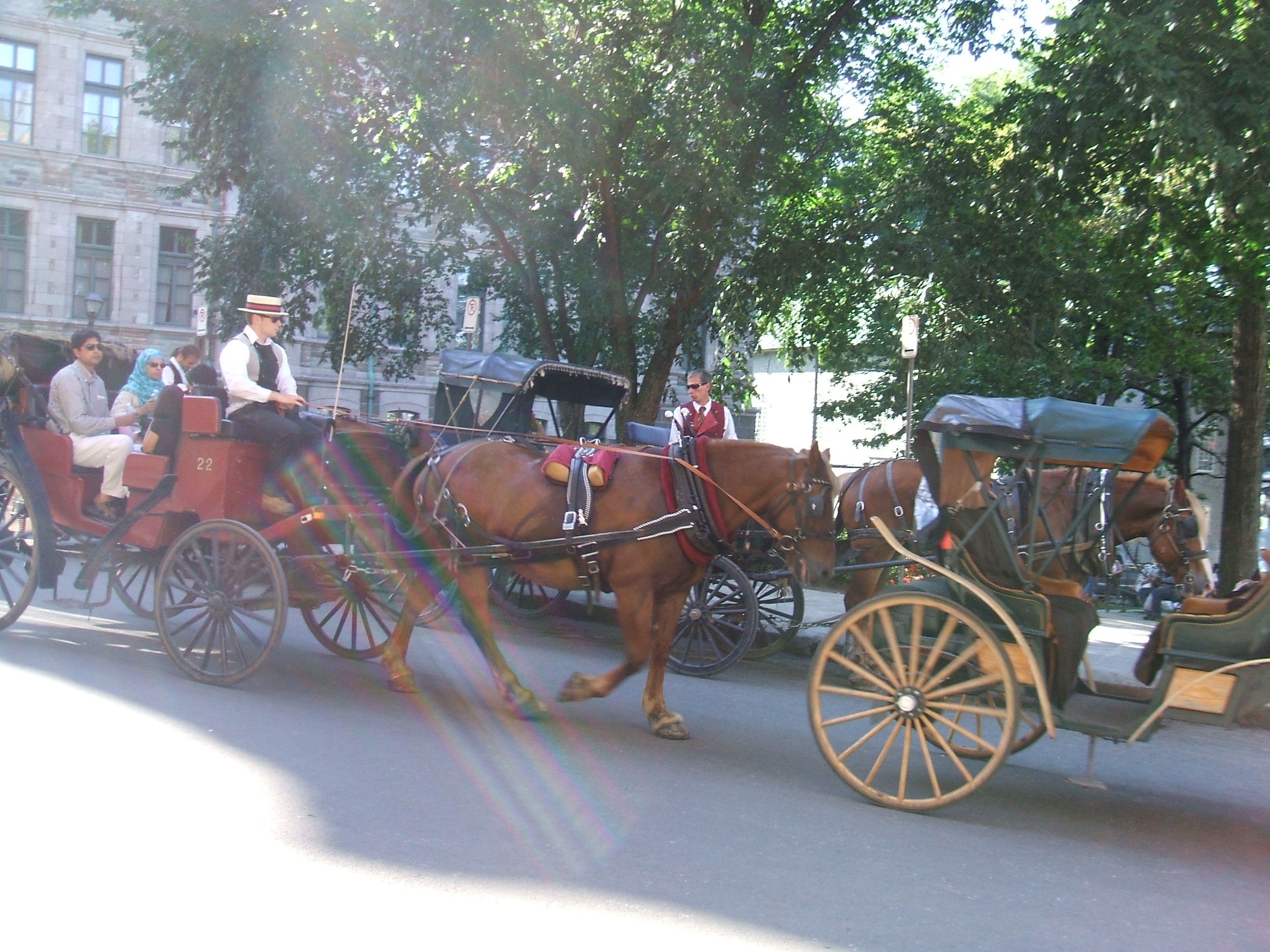
 Québec, de ce fait fondant la ville de Québec, la première colonie permanente au Canada. « Je suis arrivé là le 3 juillet» a écrit Samuel de Champlain en 1608. « J’ai cherché un endroit approprié à notre colonie, mais je ne pouvais n’en trouver aucun plus commode ou mieux situé que la pointe de Québec ». Champlain y a mis à pied et déploya la fleur de lys, marquant le début de cette ville, ainsi que du Canada.
 Sandy Brown and her family have just moved to Spokane, Washington where her husband, Scott, is pastoring a new church. With a fresh start, Sandy is determined to devote more time to her four children. But, within weeks of settling in their new life, the Brown family is plunged into turmoil.


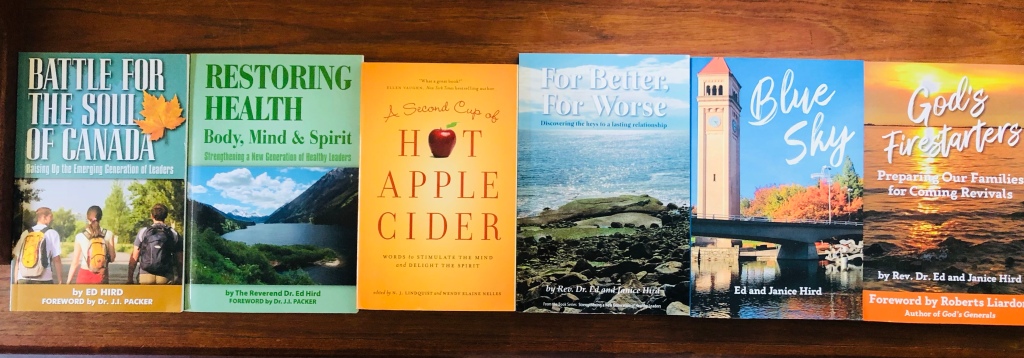



 Sandy Brown and her family have just moved to Spokane, Washington where her husband, Scott, is pastoring a new church. With a fresh start, Sandy is determined to devote more time to her four children. But, within weeks of settling in their new life, the Brown family is plunged into turmoil.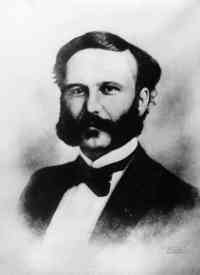











 Edhird's Blog